









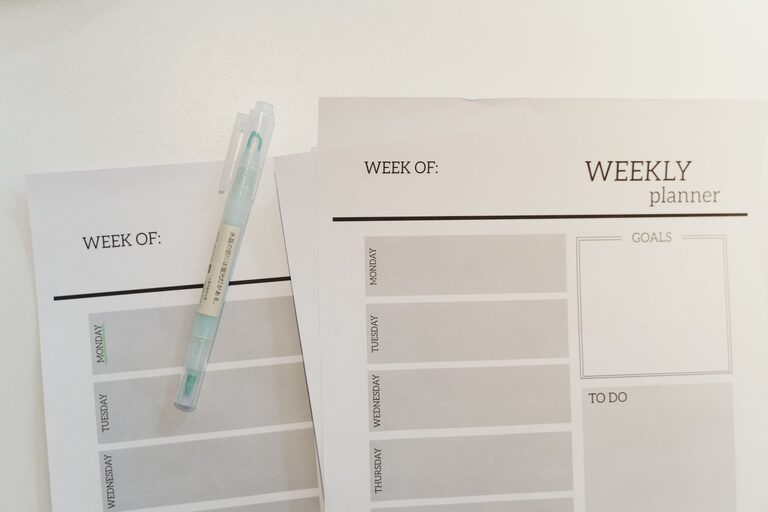
Setting weekly goals is a powerful way to stay focused, motivated, and productive. However, many people fall into the trap of setting unrealistic or overly ambitious goals, which can lead to frustration and burnout. The key to success is learning how to set realistic weekly goals that challenge you while being achievable within your available time and resources.
In this post, we’ll share practical tips on how to create weekly goals that work for you. Whether you’re managing work projects, personal tasks, or self-development objectives, these strategies will help you stay on track and celebrate your progress.
Why Setting Realistic Weekly Goals Matters
Weekly goals break down bigger projects or ambitions into smaller, manageable steps. This approach helps you:
– Maintain focus without feeling overwhelmed.
– Track progress regularly and adjust as needed.
– Build momentum by achieving consistent wins.
– Improve time management and reduce procrastination.
On the other hand, unrealistic goals can cause stress and disappointment, making it harder to maintain motivation. Being honest about what you can accomplish in a week is essential for long-term success.
Step 1: Reflect on Your Priorities
Before setting your weekly goals, take a moment to consider what matters most right now. Ask yourself:
– What are my top priorities this week?
– What deadlines or events are coming up?
– Which tasks will have the biggest impact on my bigger goals?
– Are there any commitments or obstacles I should consider?
Focusing on priorities ensures you spend your time on tasks that truly matter.
Step 2: Assess Your Available Time
Knowing how much time you realistically have to work on your goals can prevent overcommitment. To do this:
– Review your calendar for appointments, meetings, and other fixed commitments.
– Estimate the number of hours you can dedicate daily to your goals.
– Account for breaks, rest, and unexpected interruptions.
It’s better to underestimate your available time slightly than to overestimate and set unattainable goals.
Step 3: Break Down Big Goals into Smaller Tasks
Large goals can feel intimidating and difficult to tackle in a single week. Break them down into smaller, actionable steps that can be completed one at a time. For example:
– Instead of “write a book,” aim for “write two chapters” or “draft 1,000 words.”
– Instead of “launch website,” set goals like “create homepage layout” or “choose color scheme.”
Smaller tasks are easier to manage and give you a sense of accomplishment as you complete each one.
Step 4: Use the SMART Criteria
One popular method for goal-setting is to ensure your goals are SMART: Specific, Measurable, Achievable, Relevant, and Time-bound. Applying this to weekly goals means:
– Specific: Clearly define what you want to accomplish.
– Measurable: Identify how you will know when the goal is done.
– Achievable: Make sure it’s realistic given your time and resources.
– Relevant: Align the goal with your broader objectives.
– Time-bound: Set a deadline within the week.
For example, instead of “exercise more,” say “go to the gym for 30 minutes three times this week.”
Step 5: Prioritize Your Weekly Tasks
Not all goals are equally urgent or important. Use a priority system such as:
– High priority: Must be done this week.
– Medium priority: Should be done if time allows.
– Low priority: Optional or can wait until next week.
Focus first on high-priority goals to ensure your time is spent wisely.
Step 6: Plan and Schedule Your Week
Once you know your realistic goals, schedule time blocks to work on them. Use a planner, calendar, or digital tools to:
– Allocate specific days or times for each task.
– Include buffer time to accommodate unexpected delays.
– Balance work with rest to avoid burnout.
Treat your schedule as a flexible guide rather than a rigid plan. Adjust as needed based on your progress.
Step 7: Track Your Progress Daily
Checking in on your progress every day helps you stay accountable and motivated. You can:
– Use a journal or checklist to mark completed tasks.
– Reflect on what went well and what could improve.
– Adjust or reschedule tasks if necessary.
Regular tracking prevents small setbacks from derailing your whole week.
Step 8: Celebrate Your Achievements
Recognize and celebrate the goals you complete each week. This positive reinforcement:
– Builds confidence.
– Encourages continued effort.
– Makes the process more enjoyable.
Even small wins deserve acknowledgment.
Tips for Staying on Track
– Be flexible: Sometimes priorities change—adapt your goals when needed.
– Avoid overloading: Setting too many goals reduces focus.
– Limit distractions: Create a work environment that helps you concentrate.
– Review weekly: At the end of each week, review your goals and plan for the next.
Sample Weekly Goal Plan
| Goal | Priority | Time Estimate | Scheduled Day |
|—————————–|———-|—————|—————|
| Finish project proposal | High | 4 hours | Tuesday |
| Exercise 3 times | Medium | 1.5 hours | Mon, Wed, Fri |
| Organize email inbox | Low | 1 hour | Thursday |
| Read one chapter of a book | Medium | 1 hour | Sunday |
Conclusion
Setting realistic weekly goals is a skill that improves with practice. By reflecting on your priorities, assessing your available time, breaking down tasks, and scheduling thoughtfully, you can create achievable goals that drive consistent progress.
Remember, the goal isn’t to overwork yourself but to work smarter, stay motivated, and build momentum week by week. Give these strategies a try, and watch your productivity and satisfaction grow!