









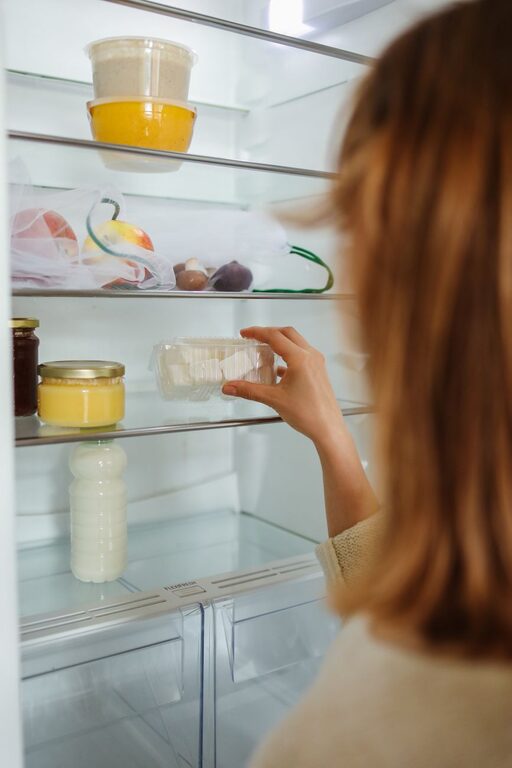
Keeping your fridge and pantry tidy can make a big difference in your daily cooking routine. A well-organized kitchen not only saves you time but also helps reduce food waste and keeps your groceries fresh longer. In this article, we’ll explore practical steps to maintain an orderly fridge and pantry so you can enjoy a more efficient and pleasant cooking experience.
Why It’s Important to Keep Your Fridge and Pantry Organized
Before diving into the how-to, it helps to understand why organization matters:
– Food safety: Proper storage prevents spoilage and contamination.
– Ease of access: Finding items quickly reduces stress and speeds up meal prep.
– Waste reduction: You’re less likely to forget or lose items that spoil.
– Space optimization: Organized storage maximizes available room.
Preparing for Organization
Step 1: Take Everything Out
Start by emptying the fridge and pantry completely. This allows you to:
– Check expiration dates.
– Clean all surfaces thoroughly.
– Assess what you have and what you need.
Step 2: Clean Thoroughly
Use a mild cleaner or a mixture of water and baking soda to wipe down shelves, drawers, and pantry walls. Dry surfaces well to avoid mold or mildew.
Step 3: Sort and Discard
Sort items into categories like dairy, vegetables, condiments, canned goods, and snacks. Throw away expired or spoiled food and donate unopened items you won’t use.
Organizing Your Fridge
Use the Correct Zones
Different fridge areas are designed for certain foods:
– Top shelves: Ready-to-eat foods like leftovers, drinks, and deli meats.
– Middle shelves: Dairy products such as milk, cheese, and yogurt.
– Bottom shelves: Raw meat and fish, kept coldest and safest here.
– Drawers: Designed for fruits and vegetables, with humidity controls if available.
– Door compartments: Condiments, juices, and items that tolerate slight temperature changes.
Tips for Fridge Organization
– Use clear bins or containers to group similar items.
– Label leftovers with dates to track freshness.
– Avoid overcrowding to allow proper air circulation.
– Keep frequently used items at eye level.
– Store fruits and vegetables separately to prevent ethylene gas from ripening or spoiling produce prematurely.
Organizing Your Pantry
Categorize Your Items
Group pantry staples by type:
– Baking ingredients (flour, sugar, baking powder)
– Canned goods (soups, beans, tomatoes)
– Grains and pasta
– Snacks and cereals
– Spices and seasonings
– Oils and vinegars
Use Storage Solutions
Consider investing in:
– Clear, airtight containers for flour, grains, and snacks to prolong freshness and reduce pests.
– Tiered shelves or risers to see smaller items easily.
– Lazy Susans for spices or condiments.
– Labels to quickly identify contents.
First In, First Out
Arrange items so that older products are in front and newer purchases go to the back. This reduces waste by reminding you to use older ingredients first.
Maintaining Your Organized Spaces
Weekly Checks
Spend a few minutes weekly to:
– Wipe up any spills.
– Rotate items if needed.
– Remove spoiled food.
Monthly Inventory
Check what you have before grocery shopping to avoid duplicates and unnecessary purchases.
Keep a Shopping List
Maintain a running list of items that need restocking to streamline shopping and reduce impulse buys.
Additional Tips for Success
– Avoid storing hot food directly in the fridge; let it cool to maintain temperature.
– Use humidity-controlled drawers wisely for produce.
– Group meal ingredients together, such as placing taco night ingredients on the same shelf.
– Encourage family members to put items back in their designated spots.
Final Thoughts
A tidy fridge and pantry make cooking more enjoyable and efficient. By taking the time to clean, sort, and organize your kitchen storage areas regularly, you can reduce waste, save money, and create a more pleasant environment for yourself and your household. Start small, use clear containers, and develop habits that keep your kitchen orderly all year round.